As we reflect on the remarkable history of the Rabdan strain, it's essential to recognize the deep cultural ties and enduring traditions that shape its legacy. With roots in Bedouin heritage, this journey reveals much about the connection between these noble horses and the communities that cherish them.
What You Will Learn
- The Rabdan strain's lineage is steeped in Bedouin traditions, emphasizing the importance of personal relationships between tribes and horses.
- Each Rabdan horse embodies a rich history, showcasing the commitment of the Tai Bedouins to preserve their heritage through careful breeding practices.
- Inter-tribal alliances, notably with the Harb, Rwala, and Shammar tribes, have enriched the breeding techniques and cultural significance of the Rabdan lineage.
- Modern breeding practices, including artificial insemination and advanced veterinary care, are now integrated with traditional methods to enhance the Rabdan strain's quality.
- Sustainable breeding practices among Bedouin communities are vital for preserving the Rabdan strain while ensuring the health and well-being of the horses.
- Engagement with local breeding communities and ongoing education can help foster a deeper appreciation for the Rabdan strain and its historical significance.
The Enduring Legacy of the Rabdan Strain: A Visual Overview
Delve into the key elements that define the rich heritage and preservation efforts surrounding the noble Rabdan Arabian horse strain.
Historical Roots & Significance
- • Originates from Purebred Arabian horses, essential for transport & warfare.
- • Bedouin tribes focused on endurance, temperament, and beauty.
- • Testament to Bedouin commitment to heritage.
Key Stakeholders & Practices
- • Tai Bedouins: Deep connection, treating horses as family.
- • ‘Aqub Family: Instrumental in guiding breeding practices for purity.
- • Harb, Rwala, Shammar Tribes: Contributed to genetic diversity & cultural preservation.
Modern Breeding Techniques
- • Artificial Insemination: Incorporated for genetic diversity.
- • Modern Veterinary Practices: Ensure health & well-being.
- • Record-keeping Technologies: Preserve lineage, improve decisions.
Sustainable Breeding Initiatives
- • Natural Grazing: Maintained for horse health.
- • Selective Breeding: Based on performance & health.
- • Community Involvement: Shared commitment to sustainability.
The Rich Heritage of the Rabdan Strain and Its Bedouin Roots
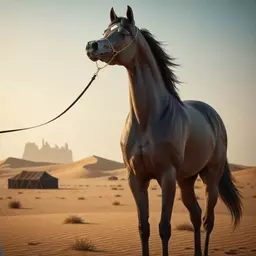
As I delve into the world of the Rabdan strain, I can't help but marvel at its storied heritage. Originating from the heart of the Arabian Peninsula, the Rabdan strain encapsulates a rich tapestry of history that intertwines with the Bedouin culture. These noble horses have not only captured the imagination of equestrians like myself but have also played a significant role in the lives of the Bedouin tribes who bred them. This historical context is crucial in understanding the deep-rooted significance of the Rabdan strain.
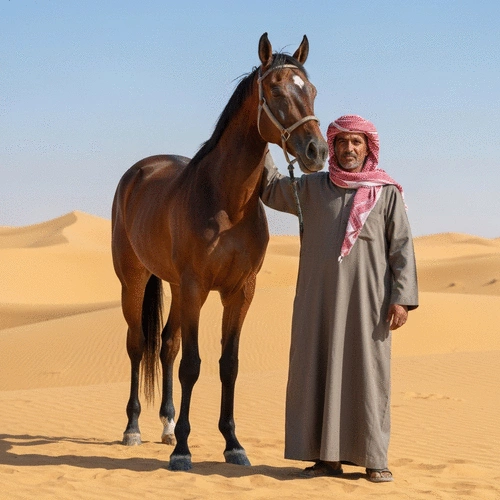
Historically, the Rabdan bloodline has been nurtured under the care of the Tai Bedouins, who have long cherished their horses for both their beauty and utility. Each horse tells a story, carrying the legacy of its ancestors, and as we explore this fascinating lineage, we uncover a profound connection between the horses and the Bedouin way of life.
Understanding the Rabdan Strain's Historical Significance
The evolution of the Rabdan strain is not merely a tale of genetics; it's a narrative steeped in tradition and cultural significance. The strain originated from purebred Arabian horses, known for their endurance and grace, traits that were highly valued by early Bedouin tribes. This noble lineage has been preserved through generations, ensuring that the essence of the Rabdan bloodline remains intact.
- Arabian horses, dating back thousands of years, were essential for transport and warfare.
- Bedouin tribes developed a unique breeding philosophy, focusing on traits like endurance, temperament, and beauty.
- The Rabdan strain is a testament to the Bedouins' commitment to their heritage and way of life.
As we explore the Rabdan strain's historical significance, we can appreciate how these horses continue to embody the spirit of the Bedouin culture, reminding us of the importance of preserving this unique legacy.
Tribal Lineages: The Role of the Tai Bedouins and ‘Aqub Family
The Tai Bedouins played an essential role in the development of the Rabdan strain. Their relationship with the land and horses reflects a deep respect for tradition that has persisted through generations. The ‘Aqub family, in particular, has been instrumental in guiding the breeding practices that uphold the standards of the Rabdan lineage. This family has dedicated themselves to maintaining the purity and excellence of the strain.
- The Tai Bedouins are known for their deep connection to their horses, treating them as family.
- The ‘Aqub family's influence includes careful selection of breeding pairs to enhance desirable traits.
- These tribal lineages help create a strong community of breeders dedicated to preserving their heritage.
In examining the contributions of the Tai Bedouins and the ‘Aqub family, we can see how their efforts have shaped the Rabdan strain's strength and character, ensuring that future generations can experience the magic of these extraordinary horses.
Inter-Tribal Alliances and Breeding Practices
As we shift our focus to the broader picture, it's fascinating to consider how inter-tribal alliances have influenced Arabian horse breeding. The collaboration among various Syrian Bedouin tribes, including the Harb, Rwala, and Shammar, has enriched the breeding practices surrounding the Rabdan strain.
The Impact of Harb, Rwala, and Shammar Tribes on Arabian Horse Breeding
These tribes have contributed significantly to the lineage and breeding practices of Arabian horses. Their collective knowledge and passion for these magnificent animals have created a rich breeding environment that celebrates diversity and excellence.
- The Harb tribe is known for their exceptional understanding of horse behavior and training techniques.
- The Rwala tribe has been influential in maintaining the genetic diversity of Arabian horses.
- The Shammar tribe's traditions highlight the importance of preserving cultural practices in horse breeding.
By analyzing the contributions of these tribes, we can appreciate the collaborative spirit that has allowed the Rabdan strain to thrive, ensuring its legacy continues into the future.
Modern Breeding Techniques and Rabdan Stallions in Syria
In the contemporary breeding landscape, Rabdan stallions are at the forefront of a blend between traditional and modern practices. Breeders are embracing technology while still honoring the age-old methods that have defined Arabian horse breeding for centuries.
- Artificial insemination techniques are being incorporated, providing more options for genetic diversity.
- Modern veterinary practices ensure the health and well-being of both mares and stallions during breeding.
- Record-keeping technologies help preserve the lineage and improve breeding decisions.
As we look at modern breeding techniques, we see how the integration of innovation with traditional values can enhance the quality of the Rabdan strain, ensuring it remains a symbol of excellence in the equine world.
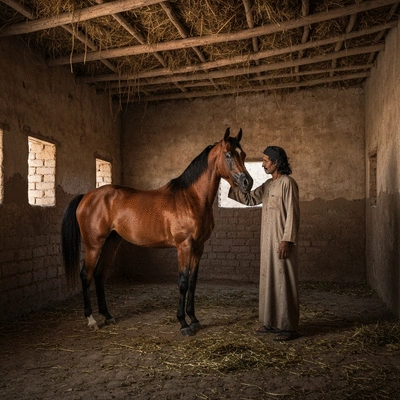
Sustainable Breeding Practices Among Bedouin Communities
Sustainable breeding practices are vital for the long-term preservation of the Rabdan strain. Bedouin communities have developed methods that respect the land and the horses while promoting healthy breeding environments.
- Emphasizing natural grazing practices to maintain the horses' health.
- Implementing selective breeding based on performance and health rather than solely appearance.
- Involving community members in breeding decisions to ensure a shared commitment to sustainability.
By fostering sustainable practices, Bedouin communities are not only preserving the heritage of the Rabdan strain but also contributing to the well-being of the environment and the horses they cherish.
Frequently Asked Questions (FAQs)
- What is the Rabdan strain?
- The Rabdan strain is a specific lineage of purebred Arabian horses with deep roots in Bedouin heritage, known for its endurance, temperament, and beauty.
- Who are the key stakeholders in preserving the Rabdan strain?
- The Tai Bedouins and the 'Aqub family are central to its preservation, treating the horses as family and guiding careful breeding practices. Other tribes like Harb, Rwala, and Shammar have also contributed significantly.
- How do modern breeding techniques influence the Rabdan strain?
- Modern techniques such as artificial insemination, advanced veterinary care, and record-keeping technologies are integrated with traditional methods to enhance genetic diversity, health, and lineage preservation.
- What sustainable practices are used in Rabdan breeding?
- Sustainable practices include natural grazing, selective breeding based on performance and health, and community involvement to ensure a shared commitment to the horses' well-being and environmental respect.
- Why is community involvement important for the Rabdan strain?
- Engaging with local breeding communities and participating in educational initiatives fosters a deeper appreciation for the strain, supports its continued preservation, and creates a vibrant network of enthusiasts.
Interactive Poll: Share Your Thoughts!
What aspect of the Rabdan strain fascinates you the most? We'd love to hear your opinion!
Reflecting on the Legacy of Syrian Bedouin Breeders and the Rabdan Strain
As we delve into the world of the Rabdan strain, it’s crucial to recognize the profound impact that Syrian Bedouin breeders have had on its legacy. These breeders have not only preserved the genetic integrity of the Rabdan horses but have also woven a rich tapestry of cultural significance surrounding them. This strain, with its royal lineage and storied past, is a living testament to the dedication and expertise of these Bedouin families.
Each horse embodies centuries of tradition, resilience, and a deep connection to the land and its people. The intricate knowledge passed down through generations highlights the importance of these breeders in maintaining the breed's unique characteristics and values. In celebrating this legacy, we acknowledge the cultural narratives that have shaped the Rabdan strain and the enduring spirit of those who have dedicated their lives to its preservation.
Engagement and Community Involvement in Horse Breeding
Engaging with local breeding communities is vital for supporting the continued preservation of the Rabdan strain. As someone who deeply values the Arabian horse’s heritage, I encourage you to connect with organizations and groups that share this passion. Here are a few ways you can get involved:
- Join local Arabian horse clubs to meet breeders and enthusiasts.
- Attend events and workshops that focus on Arabian horse training and care.
- Support initiatives aimed at educating the public about the Rabdan strain and its significance.
- Participate in breeding programs that emphasize sustainable practices.
By immersing yourself in these communities, you can play an active role in ensuring that the traditions and knowledge surrounding the Rabdan strain continue to flourish. It’s not just about the horses; it’s about fostering connections and creating a vibrant network of Arabian horse aficionados!
Stay Updated on Breeding Developments and Cultural Insights
To keep the passion for the Rabdan strain alive, staying informed about breeding practices, cultural events, and educational resources is essential. Here are some ways to engage:
- Follow social media channels dedicated to Arabian horses and the Rabdan strain.
- Subscribe to newsletters from reputable breeding organizations.
- Participate in online forums and discussions to share experiences and gain insights.
- Attend webinars and virtual conferences focused on Arabian horse heritage.
These resources not only keep you informed but also connect you with a community of like-minded enthusiasts who share your love for the Arabian horse. Together, we can continue to celebrate and preserve the rich history of the Rabdan strain, ensuring that it thrives for future generations. So, let’s stay connected and keep the conversation going!
Recap of Key Points
Here is a quick recap of the important points discussed in the article:
- The Rabdan strain has deep historical significance, originating from purebred Arabian horses cherished by Bedouin tribes for their endurance and grace.
- The Tai Bedouins and the ‘Aqub family have played crucial roles in maintaining the purity and excellence of the Rabdan lineage through careful breeding practices.
- Inter-tribal alliances among groups like the Harb, Rwala, and Shammar have enriched the breeding practices surrounding the Rabdan strain.
- Modern breeding techniques, such as artificial insemination and advanced veterinary practices, are being integrated with traditional methods to enhance the Rabdan strain.
- Sustainable breeding practices developed by Bedouin communities are vital for the long-term preservation of the Rabdan strain.
- Engaging with local breeding communities and staying informed about breeding developments are essential for supporting the legacy of the Rabdan strain.