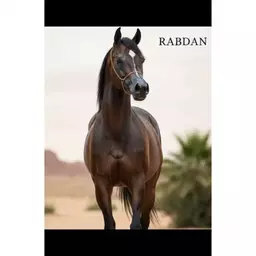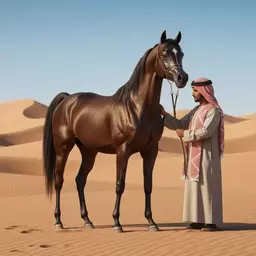
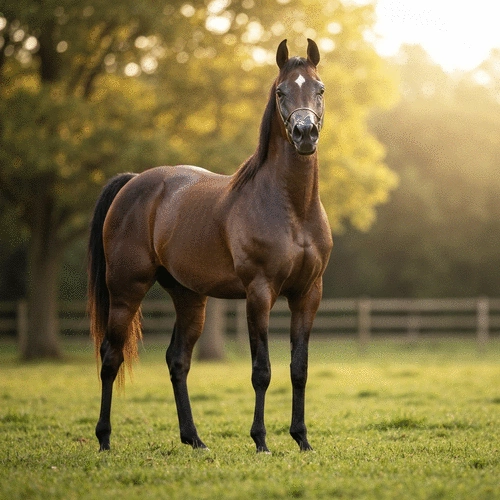
As we explore the rich history of the Rabdan Arabian horse, it's essential to delve into the intricate layers of their legacy. Did you know that these magnificent creatures have significantly influenced culture and tradition across the ages? Join us on this journey to uncover the key insights about the Rabdan bloodline that will deepen your appreciation for this noble breed.
What You Will Learn
- The Rabdan Arabian horse symbolizes resilience and cultural heritage, reflecting the unity of Bedouin tribes.
- Key ancestors like Rabdan El Azrak and Ibn Rabdan have shaped the breed's traits, merging beauty with performance.
- Breeding programs from the 1920s to the 1980s introduced significant innovations, blending traditional practices with modern techniques.
- Understanding equine genetics is crucial for preserving desirable traits in the Rabdan lineage, ensuring future excellence.
The Enduring Legacy: Rabdan Arabian Horse Breeding Milestones (1920s-1980s)
A visual timeline highlighting key influences and organizational growth in the Rabdan Arabian horse lineage.
Key Breeding Influences: Decade by Decade (20th Century)
1920s:
Western Techniques Introduced
1930s:
Focus on Conformation & Performance
1940s:
WWII Disruption & Heritage Preservation
1950s-1980s:
Surge in Standardization & Promotion
Pillars of Rabdan Legacy: Breeders & Institutions
Notable Breeders
Influential figures dedicated to advancement.
Key Institutions
Established standards, promoted awareness.
Future Trends in Arabian Horse Breeding
Modern Genetic Testing
Enhancing accuracy, health monitoring.
Sustainable Practices
Ethical breeding, horse well-being focus.
The Rich History of the Rabdan Arabian Horse in the 20th Century
The Rabdan Arabian horse boasts a history that is as rich as it is fascinating. Understanding this lineage requires a journey back in time to trace its origins, which are steeped in tradition and cultural significance. The Rabdan bloodline is not merely a genetic lineage; it embodies the spirit of resilience, beauty, and nobility found within the Arabian horse culture. From the undulating deserts of the Arabian Peninsula to the expansive pastures of Europe and beyond, the Rabdan Arabian horse has left an indelible mark on equine history.
As I delve into the historical roots of the Rabdan Arabian horse, I invite you to reflect on how these majestic animals have shaped our communities. Have you ever thought about their role in the Bedouin culture and how these traditions persist today? Join me in exploring this vibrant tapestry of history!
Tracing the Origins of the Rabdan Bloodline
The origins of the Rabdan bloodline can be traced back to the Arabian Peninsula, where these horses were not only bred for their physical prowess but also for their integral role in the culture and survival of the Bedouin tribes. The Rabdan lineage, renowned for its endurance and grace, has a significant historical context that resonates with horse lovers around the world. These horses were cherished companions and played vital roles in herding, warfare, and trade.
- Historical Significance: The Rabdan Arabian horse symbolizes the unity and strength of the Bedouin tribes.
- Cultural Heritage: Each horse carries stories of survival, endurance, and tradition.
- Genetic Legacy: Their continued lineage showcases the meticulous breeding practices that have persevered through generations.
Through the centuries, the Rabdan horses have been both a source of pride and a reflection of the heritage they represent. Their story is not just about bloodlines; it’s about the people who have dedicated their lives to preserving this incredible breed's history. How do you connect with the past of the Arabian horses?
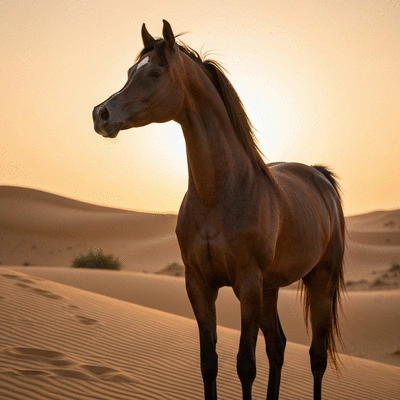
Key Ancestors: Influential Horses in the Rabdan Lineage
As we explore the notable ancestors of the Rabdan bloodline, we can see how each horse has contributed to its legacy. Figures like Rabdan El Azrak, Ibn Rabdan, and Dahman have played crucial roles in shaping the traits we admire today. These horses were not only remarkable in their abilities but also came to symbolize the ideals of beauty and strength that the Arabian horse is known for.
- Rabdan El Azrak: A pivotal figure in the lineage known for his exceptional stamina and noble character.
- Ibn Rabdan: His influence brought forth a new era of breeding that emphasized both form and function.
- Dahman: Celebrated for his beauty and versatility, he set benchmarks for future generations.
Understanding these key figures helps us appreciate the depth of the Rabdan Arabian horse's history. Each ancestor has contributed uniquely to the lineage, enriching its cultural tapestry. What stories about these horses resonate with you the most?
Unpacking Breeding Programs from the 1920s to the 1980s
The evolution of the Rabdan Arabian horse is not just a story of individual horses but also of the breeding programs that have shaped its future. From the 1920s to the 1980s, significant developments in breeding practices gradually influenced the Rabdan strain and ensured its place in equine history.
At Rabdan Heritage Blog, we delve into this timeline to highlight how these breeding programs have impacted not only the Rabdan strain but the overall Arabian horse community. Each decade brought its own challenges and innovations, fueling our ongoing passion for these extraordinary animals!
Decade-by-Decade Timeline of Breeding Influences
To better understand the influences on Rabdan breeding practices, let’s take a closer look at the significant developments from the 1920s through the 1980s.
- 1920s: The introduction of Western breeding techniques began to influence traditional practices.
- 1930s: Focus shifted towards enhancing conformation and performance traits.
- 1940s: The impact of World War II disrupted breeding but also led to a renewed interest in preserving heritage.
- 1950s to 1980s: A surge in breeding organizations aimed to standardize and promote the Rabdan lineage worldwide.
Each decade marked a turning point, reflecting changes in societal values and the growing recognition of the Rabdan bloodline's importance. How do you see these changes influencing present-day breeding practices?
Major Breeders and Institutions Shaping the Rabdan Legacy
Throughout the 20th century, several key breeders and institutions stood out in their contributions to the Rabdan legacy. Their dedication to preserving and enhancing the breed was instrumental in shaping the future of the Rabdan Arabian horse.
- Notable Breeders: Influential figures who dedicated their lives to the advancement of the Rabdan lineage.
- Institutions: Organizations that played a vital role in establishing breeding standards and promoting awareness.
- Collaborative Efforts: Partnerships between breeders that catalyzed innovation and excellence in breeding.
These breeders and institutions have laid the groundwork for what we see today in the Rabdan Arabian horse community. Their passion and commitment resonate with us all. Who has inspired you in your journey with Arabian horses?
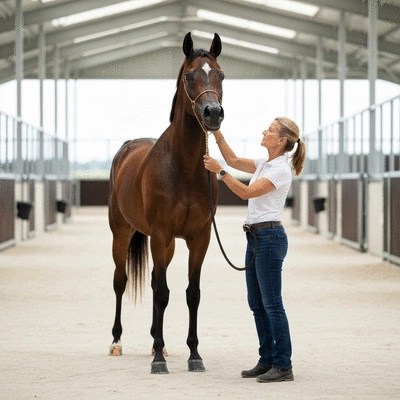
Equine Genetics: Understanding the Science Behind Breeding
As we delve deeper into the Rabdan Arabian horse's evolution, it's essential to understand the role of equine genetics. Advances in genetic science have provided valuable insights into how we can preserve and enhance desirable traits within the breed, as highlighted by a study on Arabian horse genetics that challenges common beliefs about the breed's ancient origins, published in Cornell University's news. Another significant study, focusing on the genetic diversity and demographic history of Arabian horses, can be found in PMC.
By studying genetic markers and traits, breeders can make informed decisions that benefit the Rabdan lineage, ensuring that future generations embody the endurance, beauty, and temperament we admire. The increasing focus on genetic analysis helps in understanding the breed's heritage and ensuring its future, as explored in a study on the genetic characterization of Arabian horses from different countries, available through Humanimalia. What have you learned about the role of genetics in your experience with horses?
Engage with the Community
As we celebrate the rich legacy of the Rabdan Arabian horse, let’s reflect on our personal connections to these majestic animals. What does the Rabdan bloodline mean to you? Have you had memorable experiences with Arabian horses that deepened your appreciation for their heritage? Share your thoughts in the comments below!
Frequently Asked Questions About the Rabdan Arabian Horse
Below are some common questions about the Rabdan Arabian horse, its history, and breeding practices.
- Q: What is the significance of the Rabdan Arabian horse?
- A: The Rabdan Arabian horse symbolizes resilience, beauty, and nobility. It embodies the spirit of Bedouin tribes and has significantly influenced culture and tradition across ages, representing unity and strength.
- Q: Who are the key ancestors that shaped the Rabdan bloodline?
- A: Influential ancestors include Rabdan El Azrak, known for his stamina; Ibn Rabdan, who emphasized both form and function; and Dahman, celebrated for his beauty and versatility. These figures played crucial roles in shaping the breed's traits.
- Q: How did breeding programs evolve for the Rabdan Arabian horse from the 1920s to the 1980s?
- A: This period saw significant innovations, beginning with the introduction of Western breeding techniques in the 1920s. The 1930s focused on conformation and performance, while the 1940s emphasized heritage preservation despite WWII disruptions. From the 1950s to the 1980s, there was a surge in organizations promoting standardization and awareness worldwide.
- Q: Why is understanding equine genetics important for the Rabdan lineage?
- A: Equine genetics are crucial for preserving and enhancing desirable traits in the Rabdan lineage. By studying genetic markers, breeders can make informed decisions to ensure that future generations maintain the breed's admired endurance, beauty, and temperament.
- Q: What are the future trends in Arabian horse breeding?
- A: Future trends include incorporating modern genetic testing for enhanced accuracy and health monitoring, adopting sustainable breeding practices that prioritize horse well-being, fostering global collaboration among breeders, and utilizing innovative training techniques that respect the horse's natural abilities.
Summarizing the Evolution and Future of Rabdan Arabian Horses
The journey of the Rabdan Arabian horse through the 20th century has been a captivating tapestry woven with rich history, dedicated breeders, and cultural influences. From tracing the origins of the Rabdan bloodline to understanding the pivotal breeding programs of the past, we've witnessed how these magnificent horses have evolved. The complex interplay of genetics, breeding practices, and cultural significance has shaped the Rabdan Arabian horse into a cherished symbol of equine heritage.
As we reflect on the key points, it's clear that the legacy of the Rabdan strain is more than just a story—it's an ongoing adventure in the world of Arabian horses. The dedication of breeders, the importance of preserving genetic diversity, and the cultural ties to the Bedouin origins all play vital roles in the narrative of the Rabdan Arabian horse, ensuring its legacy thrives for generations to come.
Engaging with the Rabdan Community: Next Steps for Enthusiasts
For those passionate about Arabian horses, engaging with the community is a wonderful next step! Connecting with other enthusiasts and breeders allows us to share experiences and insights that deepen our appreciation for the Rabdan heritage. Here are some ways to get involved:
- Join local and online forums dedicated to Arabian horse discussions.
- Participate in breeding programs and training workshops.
- Attend horse shows and exhibitions to meet fellow Rabdan enthusiasts.
- Share your stories and experiences in Rabdan breeding and ownership.
Each connection strengthens the community and helps us preserve the rich legacy of the Rabdan Arabian horse. I encourage you to take part and make your voice heard in this vibrant equine culture!
Further Exploration: Resources and References for Rabdan Arabian Horses
If you're eager to deepen your understanding of the Rabdan bloodline and breeding practices, several authoritative resources can guide you along the way. Here are some valuable references:
- The Arabian Horse Association: A key organization that offers educational resources on Arabian horse breeding.
- Books on Arabian Horse History: Titles like "The Arabian Horse: A Complete Guide" provide in-depth insights.
- Online Databases and Journals: Explore genetic research and breeding outcomes through academic publications.
- Equine Genetics Websites: Resources dedicated to understanding the science behind horse breeding.
These resources will help enhance your knowledge and appreciation of the incredible lineage that the Rabdan Arabian horse embodies.
Future Trends in Arabian Horse Breeding and Its Global Impact
The landscape of Arabian horse breeding is ever-evolving, with exciting trends shaping the future of the Rabdan strain and the global Arabian horse market. Currently, emerging practices focus on:
- Incorporating Modern Genetic Testing: Enhancing breeding accuracy and health monitoring.
- Sustainability in Breeding Practices: Focusing on ethical breeding methods that prioritize the wellbeing of horses.
- Global Collaboration: Breeders around the world are sharing knowledge and best practices, enriching the genetic pool.
- Innovative Training Techniques: Modern training methods that respect the horse's natural abilities and temperament.
These trends not only promise to enrich the Rabdan bloodline but also contribute to the overall vitality of the Arabian horse community worldwide. As we embrace these changes, let’s continue to celebrate the past while looking forward to a bright future.
Recap of Key Points
Here is a quick recap of the important points discussed in the article:
- Historical Significance: The Rabdan Arabian horse symbolizes the unity and strength of the Bedouin tribes, showcasing resilience and beauty.
- Key Ancestors: Notable figures like Rabdan El Azrak and Ibn Rabdan have greatly influenced the lineage, enhancing traits of stamina and beauty.
- Breeding Evolution: From the 1920s to the 1980s, breeding programs adapted to modern techniques while preserving the Rabdan legacy.
- Community Engagement: Connecting with fellow enthusiasts through forums, workshops, and horse shows can enrich your understanding of the Rabdan heritage.
- Future Trends: Emphasizing sustainability, modern genetic testing, and global collaboration is crucial for the ongoing vitality of the Rabdan Arabian horse community.