As we explore the unique world of Arabian horses, consider how the rich history and distinctive strains influence their breeding and performance. What if understanding these characteristics could transform your approach to horse care and breeding?
What You Will Learn
- Arabian horse strains are categorized based on lineage, traits, and historical uses, informing breeding decisions.
- The four major strains—Rabdan, Kuhaylan, Saqlawi, and Dahman—each offer unique qualities suited for various purposes.
- A deep understanding of these strains enhances genetic diversity and preserves the unique characteristics of Arabian horses.
- Engagement with communities through forums, social media, and workshops fosters a shared knowledge of Arabian horse heritage.
Key Characteristics of Arabian Horse Strains
Delve into the unique traits and historical significance of major Arabian horse strains, highlighting their roles in breeding and performance.
Rabdan Strain
- •Combines beauty with speed
- •Highly sought after for performance
- •Significant bloodline
Kuhaylan Strain
- •Renowned for endurance
- •Exceptional strength
- •Ideal for long-distance riding
Saqlawi Strain
- •Recognized for grace and agility
- •Often favored in halter classes
- •Elegant appearance
Dahman Strain
- •Valued for calm temperament
- •Suitability as a family horse
- •Gentle nature
Understanding Arabian Horse Strains and Their Significance
As we delve into the fascinating world of Arabian horses, understanding their various strains becomes paramount. Each strain carries its own unique characteristics and historical significance, which can greatly influence breeding and performance. In this section, I will share insights that not only highlight the beauty of these horses but also reflect on their rich heritage.
So, what are Arabian horse strains? Simply put, they are categories that classify the different types of purebred Arabian horses based on their lineage, traits, and historical uses. This classification allows breeders to make informed choices when selecting horses for specific purposes, whether that be showing, racing, or leisure riding. For a deeper dive into the genetic makeup of these magnificent animals, you can explore research on genetic diversity in Arabian horses.
What Are Arabian Horse Strains? A Brief Overview
Arabian horse strains are distinct groups that have developed over time, showcasing the diversity within the purebred Arabian breed. Here are the major strains to be aware of:
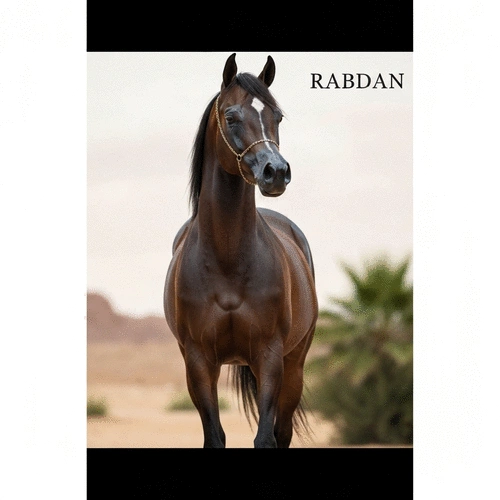
- Rabdan: Known for combining beauty with speed, this strain is highly sought after for its performance.
- Kuhaylan: Renowned for its endurance and strength, making it ideal for long-distance riding.
- Saqlawi: Recognized for grace and agility, often favored in halter classes.
- Dahman: Valued for its calm temperament and suitability as a family horse.
Each strain represents a unique blend of characteristics that reflect their historical roles within Bedouin culture and beyond. As a passionate equestrian, I find it fascinating how these strains continue to shape our understanding of Arabian horses today. Further insights into the maternal phylogenetic relationships among Arabian horse strains illuminate their genetic heritage.
The Rich History of Arabian Horses and Their Bedouin Origins
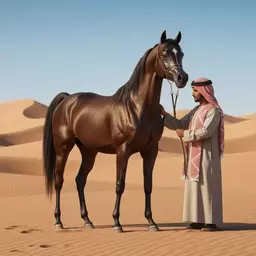
The story of Arabian horses is deeply intertwined with the history of the Bedouins, who have cherished these animals for centuries. Originating from the Arabian Peninsula, these horses were bred not just for their beauty but for their loyalty and endurance, traits that were essential for survival in a harsh desert environment. Did you know that Bedouin tribes valued their horses so highly that they often slept beside them? This bond between horse and handler speaks volumes about the significance of these creatures in their lives.
Arabian horses became symbols of wealth and status, often used in warfare and transportation. Their unique strains evolved as Bedouin tribes selectively bred horses that excelled in specific tasks. As we explore these origins, we gain a deeper appreciation for the heritage that continues to thrive in today's Arabian horse culture. For a comprehensive overview of the breed's origins and characteristics, consider reviewing the genetic study of Arabian horses.
Exploring the Key Bloodlines: Purebred vs. Mixed Arabian Horses
When discussing Arabian horses, it's essential to differentiate between purebred and mixed breeds. Purebred Arabian horses are those that trace their lineage back to the original bloodlines, whereas mixed Arabians may exhibit traits from other breeds. Here’s what sets them apart:
- Purebred: Guaranteeing a lineage that reflects the historical characteristics of Arabian horses, purebreds are often valued for their predictability in performance and temperament.
- Mixed Arabian: While they may possess unique traits, mixed breeds can sometimes lack the distinct characteristics of purebreds, which may affect their desirability among breeders.
As an owner and historian, I can appreciate the beauty of both purebred and mixed Arabian horses. However, understanding these distinctions is crucial for breeders aiming to preserve the legacy of the Rabdan bloodline and other significant strains.
Frequently Asked Questions About Arabian Horse Strains
- What are Arabian horse strains?
- Arabian horse strains are categories used to classify purebred Arabian horses based on their lineage, distinct traits, and historical roles, helping breeders understand their characteristics and suitability for specific purposes.
- What are the four major Arabian horse strains discussed in the article?
- The four major strains are Rabdan (known for beauty and speed), Kuhaylan (renowned for endurance and strength), Saqlawi (recognized for grace and agility), and Dahman (valued for calm temperament).
- Why is understanding Arabian horse strains important for breeders?
- Understanding strains helps breeders make informed decisions, enhance genetic diversity, and preserve the unique heritage and qualities of Arabian horses through selective breeding.
- How do Bedouin origins influence Arabian horse strains?
- Bedouin tribes selectively bred Arabian horses for traits essential for survival in the desert, such as loyalty and endurance. This selective breeding shaped the unique characteristics of different strains and contributed to their rich heritage.
- What is the difference between purebred and mixed Arabian horses?
- Purebred Arabian horses trace their lineage back to original bloodlines, guaranteeing historical characteristics. Mixed Arabians, while potentially having unique traits, may lack the distinct characteristics of purebreds due to cross-breeding with other breeds.
Engage with Us!
We’d love to hear your thoughts on the significance of Arabian horse strains. Which strain resonates with you the most, and why? Share your experiences or questions in the comments below, and let’s deepen our understanding together!
The Importance of Continued Education on Arabian Horse Strains
As a passionate equestrian and historian, I believe that understanding the unique characteristics of Arabian horse strains is vital for breeders and enthusiasts alike. With the rich heritage of the Rabdan bloodline and others, having a comprehensive grasp of these strains can significantly impact breeding practices, ensuring the preservation of our beloved Arabian horses.
By continuing to educate ourselves about strain characteristics, we can make informed decisions that not only enhance the quality of our horses but also honor the traditions that have shaped them over centuries. Knowledge empowers us to recognize the diverse traits that each strain offers, ultimately fostering healthier breeding practices.
Why Understanding Strain Characteristics Matters for Breeders
For breeders, a deep understanding of Arabian horse strains is essential for several reasons:
- Informed Decision-Making: Knowing the specific traits of each strain helps breeders select the right horses for their breeding programs.
- Enhancing Genetic Diversity: By understanding strain characteristics, breeders can develop strategies to maintain genetic health within their herds.
- Preservation of Heritage: Educated breeders contribute to the preservation of the unique qualities that define the Arabian horse.
As I reflect on my own experiences, I’ve seen firsthand how proper education shapes the journeys of many Arabian horse breeders. It’s not just about breeding for beauty or speed; it’s about honoring a legacy and creating a sustainable future for these remarkable horses.
Engaging with the Community: Resources and Networks for Arabian Horse Enthusiasts
Networking with other enthusiasts is crucial in advancing our knowledge of Arabian horse strains. Several resources can facilitate this engagement, such as:
- Online Forums: Platforms where breeders can share experiences and advice on breeding practices.
- Social Media Groups: These communities offer a space for discussion, showcasing horses, and sharing educational content.
- Workshops and Seminars: Events focused on specific strains provide hands-on learning opportunities and expert insights.
Joining these communities not only enhances our understanding but also fosters relationships that can lead to collaborative efforts in breeding and preservation.
The Role of Arabian Horse Shows in Promoting Knowledge and Awareness
Arabian horse shows serve as pivotal events for promoting knowledge and awareness about various strains. These shows often feature:
- Judging Criteria: Educators assess horses based on breed standards, providing insights into desirable traits.
- Workshops and Clinics: These sessions often take place alongside the shows, helping attendees learn from experts.
- Networking Opportunities: Shows bring together breeders, trainers, and enthusiasts, fostering connections that last beyond the event.
Attending these shows has been an enlightening experience for me, as I’ve seen how they can motivate and inspire attendees to deepen their knowledge and commitment to the Arabian horse community.
Recap of Key Points
Here is a quick recap of the important points discussed in the article:
- Understanding Strains: Arabian horse strains, such as Rabdan, Kuhaylan, Saqlawi, and Dahman, each possess unique traits that influence breeding and performance.
- Historical Significance: The rich history of Arabian horses is closely tied to Bedouin culture, emphasizing their role in survival, wealth, and status.
- Purebred vs. Mixed: Distinguishing between purebred and mixed Arabian horses is essential for breeders to maintain desired characteristics and lineage.
- Education and Community: Continued education and engagement with fellow enthusiasts are crucial for preserving the heritage of the Arabian horse.
- Arabian Horse Shows: These events promote knowledge sharing, networking, and showcase the beauty and diversity of Arabian horse strains.