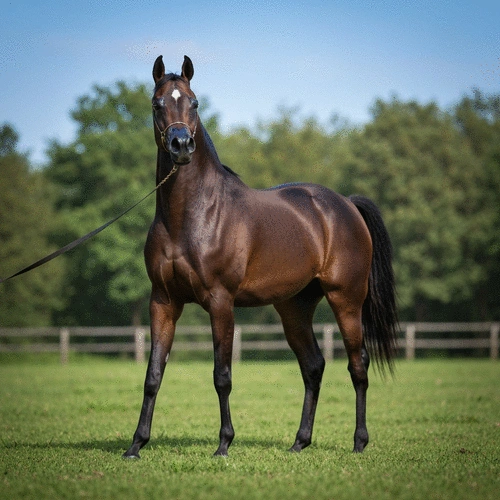
As we explore the fascinating world of the Rabdan Arabian horse, we uncover layers of history and significance that resonate with enthusiasts and breeders alike. Each Rabdan horse embodies not just beauty, but a legacy that has shaped cultures across centuries. Ready to learn more about these majestic creatures?
What You Will Learn
- The Rabdan Arabian horse originated in the 19th century, focusing on endurance, intelligence, and beauty.
- Cultural significance of Rabdan horses as symbols of honor and pride in Arabian history.
- Distinctive physical traits such as a fine, dished head shape and elegantly arched neck.
- Advancements in genetic testing enhance breeding practices and ensure the preservation of desirable traits.
Rabdan Arabian Horse Distinctions & Lineage Factors
This visual summarizes the key characteristics and influential factors distinguishing the purebred Rabdan Arabian horse, highlighting both physical traits and genetic considerations.
Key Physical Traits
- • Fine, dished head shape
- • Elegantly arched neck
- • Strong, muscular build
- • Common colors: Bay, Gray, Chestnut
Genetic Influence & Breeding
- • Established in 19th century
- • Emphasis on endurance, intelligence, beauty
- • Genetic testing for lineage accuracy
- • Preservation of desirable traits
Comparison: Rabdan vs. Kuhaylan
- • Rabdan: More refined build
- • Kuhaylan: More muscular build
- • Rabdan: Gentle demeanor
- • Kuhaylan: Wider color variations
Comparison: Rabdan vs. Abayyan
- • Rabdan: Elegant conformation
- • Abayyan: Stockier appearance
- • Rabdan: More spirited temperament
- • Abayyan: Favored for long-distance endurance
Understanding the Purebred Rabdan Arabian Horse: Historical Context
As we delve into the rich history of the Rabdan Arabian horse, it's essential to appreciate the cultural and historical contexts that shaped this remarkable breed. The Rabdan bloodline stands as a testament to centuries of dedication, passion, and meticulous breeding practices. My journey in exploring this lineage continually reminds me of the profound legacy these horses carry, reflecting the spirit of their ancestors.
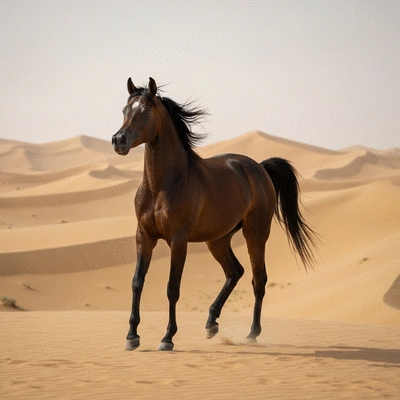
To truly grasp the Rabdan's significance, we must first understand its origins and development. The story begins in the Arabian Peninsula, a region steeped in equine tradition. Here, the Rabdan bloodline was meticulously crafted, emphasizing traits like endurance, intelligence, and beauty.
The Rich History of the Rabdan Strain
Origins and Development of the Rabdan Bloodline
The origins of the Rabdan strain can be traced back to the early days of Arabian horse breeding, where the focus was on preserving the unique characteristics of each horse. This bloodline, established in the 19th century, has roots in some of the most revered Arabian horses. Breeders sought to enhance traits that would make these horses not only versatile companions but also champions in endurance events, as detailed by the Arabian Horse Association.
- Established in the 19th century
- Rooted in exceptional Arabian horses
- Emphasis on endurance, intelligence, and beauty
These careful breeding practices resulted in horses that exemplified grace, fortitude, and a strong bond with humans. Each Rabdan horse is a living link to a rich tapestry of history, reminding us of the cultural significance of Arabian horses in their native lands.
Cultural Significance of Rabdan Horses in Arabian History
In Arabian culture, horses are not merely animals; they are symbols of honor, courage, and pride, a sentiment widely recognized in the history of Arabian horses. The Rabdan strain, in particular, holds a special place in this rich tradition. These horses have graced the deserts with their presence, serving as companions and warriors throughout history.
Moreover, the Rabdan bloodline is celebrated for its role in various cultural events, including traditional celebrations and endurance races. The spirit of these horses resonates deeply within the hearts of their owners, and it's a joy for me to witness that passion in every interaction within our community.
Key Genetic Traits of Purebred Rabdan Arabian Horses
Distinctive Features: Head Shape and Neck
When identifying purebred Rabdan Arabian horses, one cannot overlook their distinctive features. The head shape is often described as fine and dished, a characteristic trait that sets them apart. Additionally, their elegantly arched necks highlight their regal presence.
- Fine, dished head shape
- Eloquently arched neck
- Strong, muscular build
These physical attributes not only enhance their aesthetic appeal but also contribute to their functionality as endurance athletes, making them resilient and agile in various equestrian disciplines.
Coat Colors: Variations and Their Significance
The Rabdan Arabian horses come in a range of stunning coat colors, each with its own significance. Common colors include bay, gray, and chestnut, with variations that can tell stories of lineage and heritage.
Understanding these coat colors adds another layer to our appreciation of the breed. Each hue serves as a reminder of the diverse characteristics that have been preserved through generations, culminating in the magnificent horses we cherish today.
The Role of Genetic Testing in Understanding Rabdan Lineage
How Genetic Testing Enhances Breeding Practices
Advancements in genetic testing have revolutionized our approach to breeding Rabdan Arabian horses. These tests allow breeders to trace lineage with precision, ensuring the continuation of desirable traits. As I connect with fellow breeders, I often emphasize the importance of incorporating genetic testing into breeding practices, a topic frequently discussed on platforms like The Horse.com.
- Accurate lineage tracking
- Preservation of desirable traits
- Enhanced breeding decisions
Genetic testing helps us understand the complexities of equine genetics and fosters informed decisions that honor the Rabdan heritage.
Implications of Equine Genetics on Purebred Status
The implications of genetic testing extend beyond breeding practices; they also have a profound impact on the purebred status of Rabdan horses. Accurate identification of genetic markers aids in verifying authenticity, ensuring that the legacy of the Rabdan bloodline remains intact.
As part of our mission at Rabdan Heritage Blog, I am dedicated to sharing knowledge and fostering connections that promote a deeper understanding of equine genetics, ensuring the future of this noble breed.
Interactive Poll: Your Connection to Rabdan Horses
As we explore the rich history and characteristics of the Rabdan Arabian horse, we’d love to hear from you! What aspect of the Rabdan breed resonates with you the most?
Visual Identification of a Purebred Rabdan Arabian Horse
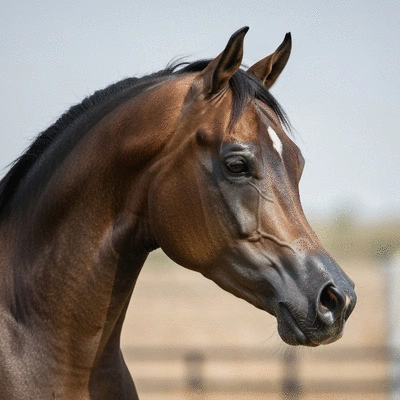
When it comes to recognizing a purebred Rabdan Arabian horse, understanding their visual characteristics is essential. Each horse in this noble lineage carries distinct traits that speak to their heritage. Let’s dive into the key physical traits and markings that set Rabdan horses apart from the rest.
Identifying Key Physical Traits and Markings
A purebred Rabdan Arabian horse possesses a unique body structure and proportions that are vital for identification. Their build is not just for show; it reflects centuries of selective breeding aimed at enhancing their agility, endurance, and beauty. Understanding these features can greatly assist any enthusiast or breeder in spotting true Rabdan horses.
Understanding the Body Structure and Proportions
- Head Shape: Rabdan horses often have a refined, triangular head with a prominent forehead, which is a hallmark of their breed.
- Neck: The neck is long and graceful, often arched, enhancing their elegant presence.
- Body: A well-proportioned body with a deep chest and strong back supports their athleticism.
- Legs: Their legs are slender yet strong, contributing to their agility and speed.
These structural features not only define their beauty but also serve practical purposes in their roles as endurance horses.
Common Markings Found in Purebred Rabdan Horses
- Facial Markings: Many Rabdan horses exhibit unique facial markings, suchs as blazes or snips, which can help in identification.
- Leg Markings: White markings on the legs are common and can vary in size and shape.
- Coat Patterns: While the majority of Rabdan horses are solid-colored, some may have unique coat patterns that contribute to their individuality.
These markings not only serve to identify individual horses but also add to their charm and allure, making each one truly unique!
Comparisons with Other Arabian Strains
Understanding how Rabdan horses compare with other Arabian strains is crucial for enthusiasts. There are several notable differences that can guide potential buyers or breeders in their search for a purebred Arabian. Let’s explore how Rabdan stands out.
Rabdan vs. Kuhaylan: Key Differences
- Body Build: Rabdan horses are typically more refined in their structure compared to the more muscular Kuhaylan strain.
- Temperament: Rabdan horses are often known for their gentle demeanor, making them suitable for both competitive and recreational riding.
- Color Variations: Kuhaylan horses often exhibit a wider range of coat colors, while Rabdan typically showcases more consistent coloring.
These distinctions can help you better understand the characteristics associated with each strain and make more informed decisions.
Identifying Rabdan Traits Compared to Abayyan
- Conformation: Rabdan horses have a more elegant conformation, while Abayyan strains can appear stockier.
- Temperament: Rabdan horses tend to be more spirited, while Abayyan horses are often seen as more calm and reserved.
- Historical Uses: Rabdan horses historically served as war mounts, while Abayyan horses were often favored for their endurance over long distances.
As you can see, both strains have their unique appeal, but the Rabdan bloodline’s history and elegance set it apart in the realm of Arabian horses.
Understanding Arabian Horse Characteristics Through Conformation
A horse's conformation plays a pivotal role in its performance and overall health. For those involved in the Arabian horse community, learning about key conformation traits is essential for identifying purebreds effectively.
Key Conformation Traits That Define Purebred Arabians
- Head and Neck: A well-defined head with a smooth, arched neck creates a graceful outline.
- Shoulders: Sloping shoulders enhance movement and contribute to agility.
- Back and Hindquarters: A short back complemented by powerful hindquarters is crucial for propulsion.
- Feet: Strong, well-formed hooves support their athletic abilities.
These conformation traits not only highlight the beauty of Rabdan horses but also their functional capabilities in various equestrian activities.
The Importance of Breed Standards in Horse Identification
Understanding breed standards is vital for anyone interested in Arabian horses. These standards provide guidelines for identifying purebreds and ensuring that the horses meet specific criteria. When assessing a Rabdan horse, keep in mind:
- Registration Requirements: Only horses that meet breed standards can be registered as purebred.
- Judging Criteria: Events often have specific criteria that judges use to evaluate Arabian horses.
- Market Value: Horses that conform to breed standards typically have higher market value, so understanding these standards is essential for both buyers and sellers.
By familiarizing yourself with these standards, you can enhance your ability to identify true Rabdan Arabian horses and appreciate their exceptional qualities.
Frequently Asked Questions About the Rabdan Arabian Horse
What is the origin of the Rabdan Arabian horse?
The Rabdan Arabian horse originated in the 19th century in the Arabian Peninsula, developed with a focus on endurance, intelligence, and beauty through meticulous breeding practices.
What are the distinctive physical traits of a Rabdan Arabian horse?
Key physical traits include a fine, dished head shape, an elegantly arched neck, and a strong, muscular build. Common coat colors are bay, gray, and chestnut.
How does genetic testing help in Rabdan horse breeding?
Genetic testing enhances breeding practices by providing accurate lineage tracking, helping in the preservation of desirable traits, and aiding breeders in making informed decisions to honor the Rabdan heritage.
What is the cultural significance of Rabdan horses?
In Arabian culture, Rabdan horses are symbols of honor, courage, and pride. They have historically served as companions and warriors and are celebrated in various cultural events and endurance races.
How do Rabdan horses differ from Kuhaylan and Abayyan strains?
Rabdan horses are typically more refined in build and known for a gentle demeanor compared to the more muscular Kuhaylan. When compared to Abayyan, Rabdan horses have a more elegant conformation and a more spirited temperament, while Abayyan are stockier and favored for long-distance endurance.
Recap of Key Points
Here is a quick recap of the important points discussed in the article:
- The Rabdan Arabian horse has a rich history emphasizing endurance, intelligence, and beauty.
- Distinctive features include a fine, dished head shape and elegantly arched neck, crucial for their performance.
- Genetic testing significantly enhances breeding practices, ensuring the preservation of desirable traits and accurate lineage tracking.
- Rabdan horses are recognized for their unique body structure and markings, setting them apart from other Arabian strains.
- Understanding breed standards is essential for identifying purebred Arabians and maintaining their market value.