As you embark on your journey to understand the beauty of the purebred Rabdan Arabian horse, consider this: the elegance of these magnificent creatures goes beyond their striking appearance—it's a legacy steeped in history and culture. What unique characteristics define them? Let’s explore!
What You Will Learn
- Recognize distinct physical traits such as coat colors—including grey, bay, and chestnut—as well as unique markings that indicate lineage.
- Understand the importance of conformation, including features like a finely chiseled head and arched neck, that contribute to the horse's elegance and performance.
- Familiarize yourself with breed standards, including typical height and temperament, which help in identifying purebred Rabdan Arabians.
- Learn how to verify pedigree and registration to ensure authenticity, focusing on lineage and cultural significance.
- Discover how engaging with the Rabdan community and Arabian horse clubs can enhance your appreciation and knowledge of this noble breed.
Key Identification Points for Purebred Rabdan Arabian Horses
Understanding what makes a Rabdan Arabian truly special involves examining their physical characteristics, conformation, and lineage. The visual below summarizes these key aspects.
Physical Traits & Colors
- • Grey, Bay, Chestnut coats
- • White muzzle or lip patterns
Distinctive markings often signal lineage.
Conformation & Build
- • Finely chiseled head, expressive eyes
- • Arched, elongated neck
- • Compact, muscular body
Refined posture indicative of noble lineage.
Breed Standards
- • Height: 14.1 to 15.3 hands
- • Intelligent, willing temperament
- • Fluid, agile movement
Guidelines for physical and behavioral traits.
Authenticity & Pedigree
- • Trace bloodlines
- • Verify registration numbers
- • Focus on Straight Egyptian ancestry
Essential for confirming purebred status.
Recognizing the Unique Traits of a Purebred Rabdan Arabian Horse
When it comes to identifying a purebred Rabdan Arabian horse, understanding their unique traits is essential. These remarkable creatures are not just beautiful; they also possess distinct characteristics that set them apart from other breeds. In this section, we will explore their physical traits, conformation, and breed standards that define what makes a Rabdan Arabian truly special.
Understanding Physical Characteristics: Color and Markings
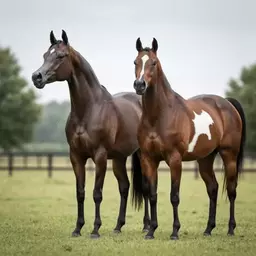
The coat colors of Rabdan Arabian horses are as varied as their personalities! Common shades include grey, bay, and chestnut, each adding to their stunning appearance. A notable feature of many Rabdan horses is their distinctive markings, such as a white muzzle or unique lip patterns, which can signal lineage and heritage.
- Grey: A classic color that often lightens with age.
- Bay: Rich brown with black points, showcasing elegance.
- Chestnut: Ranging from light to deep red tones.
These colors and markings are more than just aesthetics; they can provide insights into the horse's background and lineage. Each Rabdan Arabian carries a story that we can uncover through careful observation.
Evaluating Conformation and Build
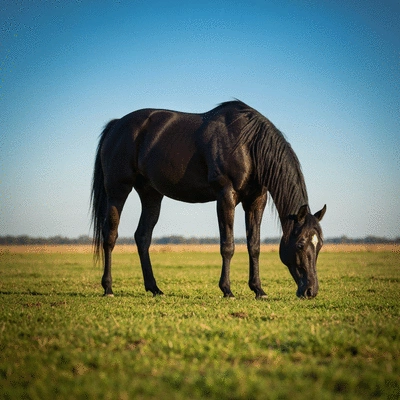
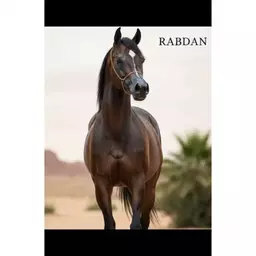
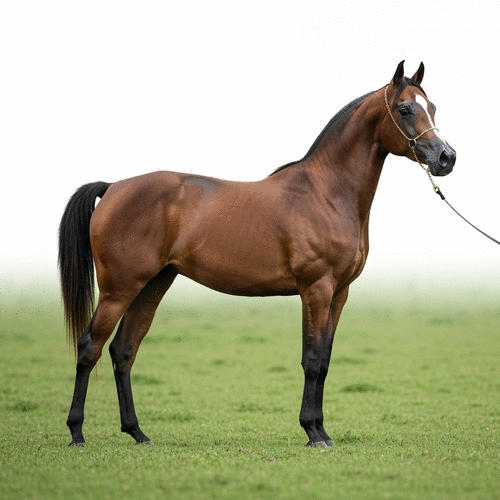
A key aspect of recognizing a Rabdan Arabian is their conformation and build. These horses exhibit a strong, refined posture that speaks to their noble lineage. They typically possess a well-proportioned body, with a long neck and sloping shoulders that lend to their graceful movement. For a deeper dive into Arabian horse conformation, you can refer to resources from the Arabian Horse Youth Association.
- Head: A finely chiseled head with large, expressive eyes.
- Neck: Arched and elongated for an elegant profile.
- Body: A compact and muscular build that emphasizes strength.
Observing these attributes is vital for anyone aiming to appreciate the sheer elegance of a Rabdan Arabian horse. Their unique conformation is not just for show; it plays a crucial role in their performance and capabilities.
Breed Standards and Confirmational Traits of Rabdan Arabians
To accurately identify a purebred Rabdan Arabian, it’s important to be aware of the established breed standards. These guidelines encompass not only physical appearance but also behavioral traits that embody the essence of the Rabdan lineage. Understanding these standards can greatly enhance your ability to recognize and appreciate these magnificent horses. The Arabian Horse Association provides comprehensive information on breed standards.
- Height: Typically between 14.1 and 15.3 hands.
- Temperament: Known for their intelligence and willingness to work.
- Movement: Fluid and agile, showcasing their athleticism.
By familiarizing yourself with these confirmational traits, you will be better equipped to appreciate the beauty and strength that define the Rabdan Arabian horse. Each aspect is a testament to their rich heritage and the careful breeding practices upheld by dedicated enthusiasts like myself.
Verifying Pedigree and Registration for Authenticity
Understanding the pedigree of a Rabdan Arabian horse is essential for confirming its authenticity. In the next sections, we'll explore the significance of lineage and how to effectively verify registration numbers to ensure you’re engaging with a truly purebred horse.
Engage with the Rabdan Community!
As you learn about the unique traits of the Rabdan Arabian horse, we invite you to reflect on your own experiences with these magnificent creatures. Have you ever interacted with a Rabdan Arabian? What traits stood out to you the most?
Frequently Asked Questions About Rabdan Arabian Horses
- What are the most common coat colors for Rabdan Arabian horses?
- Rabdan Arabian horses commonly display grey, bay, and chestnut coat colors. Unique markings like white muzzles or lip patterns can also be indicative of their lineage.
- What physical features define a purebred Rabdan Arabian?
- Purebred Rabdan Arabians are characterized by a finely chiseled head, large expressive eyes, an arched and elongated neck, and a compact, muscular body, all contributing to their elegant and strong conformation.
- What are the typical height and temperament of a Rabdan Arabian?
- Rabdan Arabians typically stand between 14.1 and 15.3 hands. They are known for their intelligent, willing temperament and fluid, agile movement.
- How can one verify the authenticity and pedigree of a Rabdan Arabian horse?
- Authenticity and pedigree can be verified by tracing bloodlines, focusing particularly on Straight Egyptian ancestry, and confirming registration numbers through official Arabian horse associations.
- Why is community engagement important for Rabdan Arabian enthusiasts?
- Engaging with the Rabdan community and Arabian horse clubs helps enthusiasts expand their knowledge, share experiences, stay updated on breed standards and practices, and foster a deeper appreciation for these noble animals.
Summarizing Key Steps for Identifying a Purebred Rabdan Arabian Horse
Identifying a purebred Rabdan Arabian horse involves focusing on several crucial elements. First, one must recognize the physical traits that define this majestic breed. Second, verifying the horse's lineage is essential to ensure its authenticity. Finally, understanding the cultural significance of the Rabdan bloodline enhances our appreciation and connection to these noble creatures.
- Physical Traits: Look for distinct coat colors, conformation, and breed standards.
- Lineage Verification: Trace the horse's bloodlines, focusing on Egyptian and Straight Egyptian ancestry.
- Cultural Understanding: Appreciate the historical context and heritage that shapes the Rabdan Arabian horse.
By keeping these steps in mind, we can proudly celebrate and preserve the rich legacy of the Rabdan Arabian horse, ensuring that future generations can enjoy their beauty and significance.
Encouragement to Engage with the Rabdan Community
As we delve deeper into the world of Rabdan Arabian horses, I encourage you to connect with your local Arabian horse associations and fellow breeders. Engaging with the community not only expands your knowledge but also fosters a shared passion for these remarkable animals. For those in the United States, the United States Equestrian Federation (USEF) offers resources for Arabian horse competitions and clubs.
- Attend local horse shows and events to see Rabdan Arabians in action.
- Participate in discussions and forums to exchange insights and experiences.
- Join workshops and training sessions to learn about care practices and breeding techniques.
By becoming part of this vibrant community, you can deepen your understanding and appreciation for the unique traits of the Rabdan breed while forming lasting connections with other enthusiasts!
The Role of Arabian Horse Clubs in Promoting Breed Standards
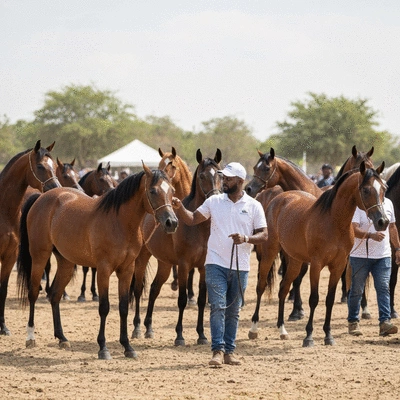
Participating in Arabian horse clubs plays a vital role in enhancing our understanding of breed standards and best practices. These organizations offer invaluable resources for anyone interested in the care and training of Rabdan Arabian horses. By engaging with these clubs, we can stay updated on evolving standards and practices.
- Knowledge of Breed Standards: Clubs provide educational resources about the ideal conformation and characteristics of Rabdan horses.
- Training Methods: Learn effective techniques that promote the health and performance of your Arabian horse.
- Networking Opportunities: Meet other breeders and enthusiasts who share your passion and knowledge.
Joining an Arabian horse club can significantly boost your skills and understanding, allowing you to play an active role in preserving the heritage of the Rabdan Arabian horse. Let's embrace this journey together and ensure the future of these incredible horses remains bright!
Recap of Key Points
Here is a quick recap of the important points discussed in the article:
- Physical Traits: Look for distinct coat colors like grey, bay, and chestnut, along with unique markings that reflect lineage.
- Conformation: Recognize the Rabdan Arabian's refined body structure, featuring a finely chiseled head, arched neck, and compact build.
- Breed Standards: Familiarize yourself with height (14.1 to 15.3 hands), temperament, and fluid movement to identify purebreds.
- Lineage Verification: Confirm authenticity by tracing bloodlines, particularly focusing on Egyptian ancestry.
- Cultural Understanding: Appreciate the historical context that shapes the Rabdan Arabian horse and its significance in equine heritage.
- Community Engagement: Connect with local Arabian horse clubs and participate in events to deepen your knowledge and appreciation.