
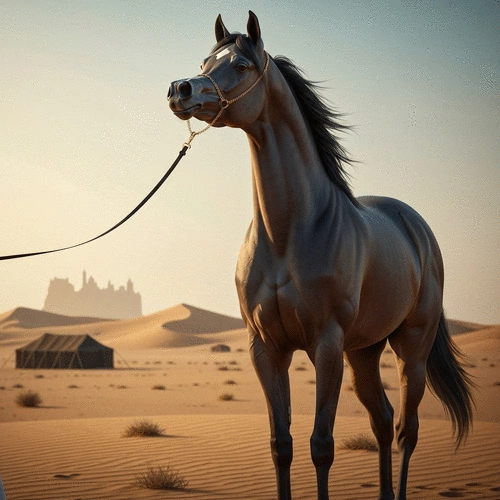
The bond between Bedouins and their horses is not just a historical narrative; it’s a living testament to survival, culture, and pride. As we explore the intricacies of this relationship, consider how the traits of these noble animals reflect the values of the people who raise them. What insights can we extract from this remarkable legacy?
What You Will Learn
- The critical roles horses played in Bedouin life, including transportation, warfare, and as economic assets.
- How selective breeding practices have shaped the unique characteristics of Arabian horse breeds.
- The significance of the Rabdan strain in Arabian horse heritage and its cultural implications.
- Key conservation efforts aimed at preserving the genetic integrity and cultural significance of Arabian horses.
Key Aspects of Bedouin & Arabian Horse Heritage
This visual highlights the core elements defining the Bedouin relationship with Arabian horses and the unique characteristics of the Rabdan strain.
Bedouin-Horse Relationship: Vital Roles
Transportation
Traverse desertWarfare
Speed & agilityEconomic Asset
Wealth & status symbolRabdan Strain: Key Traits
Elegant Necks
Intelligence
Endurance
Breeding Focus: Desired Traits
Endurance
Temperament
Loyalty
Conservation Efforts
Breeding Programs
Genetic integrityCommunity Engagement
Shared responsibilityEducational Workshops
Traditional methodsResearch & Doc.
Raise awarenessUnderstanding Bedouin Culture's Influence on Arabian Horse Breeds
The relationship between Bedouins and their horses is a tale woven into the fabric of history, survival, and cultural pride. For centuries, the Bedouins have relied on these magnificent creatures for their very existence, using them not just for transportation but as key partners in warfare and trade. Horses were essential in navigating the vast deserts, carrying families and goods, and they held a special place in the hearts of the Bedouin people.
This bond between horse and rider is evident in the way horses are elevated to a status akin to family members. Do you feel that same connection when you see an Arabian horse? It's more than just beauty; it's a legacy of survival and loyalty.
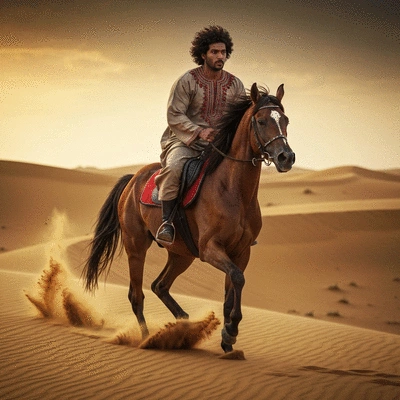
Historical Context: The Bedouin and Their Relationship with Horses
The significance of horses in Bedouin life cannot be overstated. They served multiple vital roles, including:
- Transportation: Horses allowed Bedouins to traverse the harsh desert landscape, enabling trade and communication between tribes.
- Warfare: In times of conflict, the speed and agility of Arabian horses provided a distinct advantage on the battlefield.
- Economic Asset: Horses were also a currency of sorts, often traded or gifted as symbols of wealth and social status.
As we delve into the deeper meanings behind this relationship, it’s clear that horses are integral to Bedouin identity. Their loyalty and endurance are mirrored in the values of the tribes that raise them, creating a profound emotional connection that persists through generations. For further insight into the historical and cultural ties between Bedouins and Arabian horses, you can explore research on the Bedouin horse tradition.
The Evolution of Arabian Horse Breeds Through Bedouin Practices
Through selective breeding practices, Bedouin tribes have shaped the Arabian horse breeds we know today. Their criteria for breeding focused on essential traits that catered to their unique environment and lifestyle:
- Endurance: Horses needed exceptional stamina to navigate the vast distances of the desert.
- Temperament: A calm and cooperative disposition was crucial for working alongside humans.
- Loyalty: The deep bond between horse and rider was nurtured through careful training and companionship.
This process of refinement created horses that were not only beautiful but also incredibly resilient, embodying the spirit of the Bedouin way of life. Each breed tells a story of survival, struggle, and an unwavering connection to the land.
The Rabdan Strain: A Unique Legacy in Arabian Horse Breeding
At the heart of Arabian horse breeding lies the Rabdan strain, a remarkable legacy that exemplifies the intertwining of Bedouin culture and equine excellence. As a proud advocate for the Rabdan bloodline, I believe it’s essential to explore its origins and significance.
Have you ever wondered what sets Rabdan horses apart in the vast world of Arabian breeds? Let’s dive into this captivating journey and discover the unique characteristics that define them!
Origins and Historical Significance of Rabdan Horses
The Rabdan strain traces its roots back to the Bedouin tribes, where it was developed to meet the challenging demands of desert life. This storied lineage highlights:
- Heritage: The Rabdan bloodline is steeped in history, offering a glimpse into the Bedouin’s past.
- Preservation: Maintaining the purity of this strain is a vital aspect of protecting Arabian horse heritage.
- Cultural Identity: Rabdan horses symbolize the resilience and adaptability of Bedouin culture.
Understanding these origins not only enriches our appreciation for the breed but also reinforces our commitment to preserving their legacy.
What Makes Rabdan Horses Stand Out?
When we think about what sets Rabdan horses apart, a few unique traits come to mind:
- Elegant Necks: Their graceful necks and refined profiles are visually striking.
- Intelligence: Rabdan horses are known for their quick learning and responsiveness to training.
- Endurance: Built for stamina, these horses thrive in long rides across challenging terrains.
Each of these characteristics contributes to the profound respect and admiration we hold for this noble breed. They embody not just physical beauty but also the rich heritage that brought them into existence.
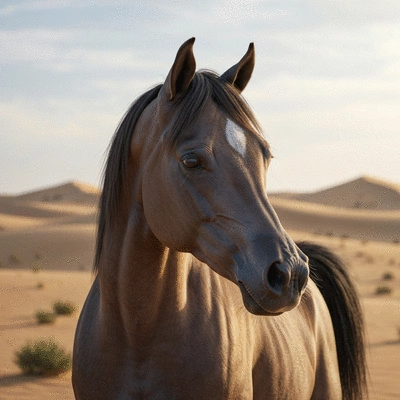
Rabdan Bloodlines and Their Role in Equine Genetics
The significance of Rabdan bloodlines extends beyond aesthetics; they play a crucial role in equine genetics. Their influence can be seen in:
- Health: Maintaining genetic diversity helps promote overall health and vitality among Arabian horses.
- Endurance: The traits associated with the Rabdan lineage ensure that offspring inherit the resilience needed for demanding environments.
- Performance: Horses bred from these bloodlines often excel in competitions, showcasing their capabilities on the global stage.
As we continue to explore the legacy of the Rabdan strain, it’s essential to recognize how these horses contribute to the broader tapestry of Arabian equine heritage. Their unique characteristics and historical significance make them an invaluable part of our collective understanding. Genetic studies, like those published in Nature Scientific Reports, provide further insights into the genetic diversity and distinctiveness of Arabian horse strains such as the Rabdan.