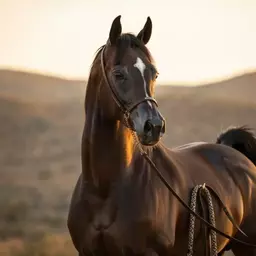

Mohammed Ali Pasha's vision transformed Arabian horse breeding, and his influence is still felt today. Understanding his legacy reveals essential insights for breeders and enthusiasts alike. What lessons can we draw from this remarkable history?
What You Will Learn
- Mohammed Ali Pasha revolutionized Arabian horse breeding by establishing royal studs that preserved lineage and quality.
- His formalized breeding practices set standards that resonate with contemporary breeders, emphasizing the importance of pedigree.
- Key figures such as Abbas Pasha contributed to the development of structured pedigree systems that enhanced traceability and breeding decisions.
- Today’s breeders continue to prioritize lineage and heritage, reflecting the enduring legacy of Mohammed Ali’s vision.
Key Influencers and Phases in Arabian Horse Breeding
The journey of Arabian horse breeding has been shaped by significant figures and evolving practices, moving from traditional Bedouin methods to formalized royal studs. The visual below highlights the pivotal roles of key individuals and the enduring impact of their contributions.
Understanding Mohammed Ali's Role in Arabian Horse Breeding
The history of Arabian horse breeding is deeply intertwined with the influential figure of Mohammed Ali Pasha. His efforts in the early 19th century revolutionized how Arabian horses were bred and managed, gathering desert-bred Arabians into royal studs that would change the course of equine history. Have you ever wondered how one man's vision could steer the fate of such a noble breed? Mohammed Ali’s legacy is rich, and it’s essential to explore how his actions laid the foundation for modern Arabian horse breeding.
By consolidating the best horses into these royal studs, he ensured the preservation of the exceptional traits that characterize purebred Arabians. This effort not only enhanced the breed’s quality but also established a standard that would resonate through generations of horse lovers, breeders, and historians alike.
The Historical Impact of Mohammed Ali Pasha on Arabian Horses
Mohammed Ali Pasha's reign marked a turning point in the history of Arabian horses. He understood the value of Arabian bloodlines and took significant steps to collect and breed these horses systematically. His vision included:
- Establishing royal studs that housed some of the finest Arabian horses.
- Encouraging breeders to adopt more formalized breeding practices.
- Promoting the Arabian horse as a symbol of national pride and heritage.
Through these initiatives, he not only preserved the unique characteristics of Arabian horses but also laid the groundwork for future breeding practices that emphasized lineage and pedigree. His foresight is a testament to his love for these majestic creatures, which continues to inspire breeders today.
Key Figures in the Development of Modern Arabian Horse Breeding
In addition to Mohammed Ali, several other key figures played vital roles in shaping the development of Arabian horse breeding. Notably, Abbas Pasha and Ali Pasha Sherif contributed to the formalization of breeding practices. Their involvement included:
- Implementing structured pedigree systems that enhanced the traceability of bloodlines.
- Establishing breeding standards that are still revered in today’s breeding communities.
- Fostering a greater understanding of Arabian horse genetics among breeders.
These influential leaders understood the importance of record-keeping and the impact it would have on the breed's future. Their contributions made it possible for horse lovers like us at the Rabdan Heritage Blog to appreciate the rich tapestry of Arabian horse history. For an insightful perspective on these historical efforts, consider exploring resources such as the article on Desert Heritage Magazine, which often dives into the historical figures behind Arabian breeding.
Mohammed Ali's Influence on Arabian Horse Breeders Today
The standards and practices established by Mohammed Ali Pasha have a lasting impact on Arabian horse breeders today. For example, many contemporary breeders continue to prioritize:
- Lineage and pedigree as critical elements in breeding decisions.
- Maintaining the unique qualities that make Arabian horses so revered.
- The importance of preserving the heritage associated with the breed.
As we delve deeper into the history of Arabian horses, it’s clear that Mohammed Ali’s vision is not just a relic of the past but a vibrant influence that shapes our practices today. This connection to history enriches our understanding of the Arabian horse's place in our lives and the community.
The Evolution of Arabian Horse Breeding Practices
The journey of Arabian horse breeding has evolved significantly from the tribal traditions of the Bedouins to the centralized management initiated by Mohammed Ali. This evolution reflects a broader understanding of breeding practices that seeks to preserve and enhance the unique characteristics of Arabian horses. Further academic insights into the historical practices can be found in publications like those on JSTOR, which offer a deeper dive into the societal and historical context of horse breeding.
Engage With Us!
What aspects of Arabian horse breeding intrigue you the most? Is it the historical figures like Mohammed Ali Pasha, the intricate breeding practices, or perhaps the stunning beauty of the horses themselves? Share your thoughts and experiences below!
Reflecting on the Legacy of Mohammed Ali Pasha
The legacy of Mohammed Ali Pasha in Arabian horse breeding is profound and enduring. His passion for Arabian horses transformed the landscape of equine breeding, creating a framework that resonates even in today's practices. Through his vision and efforts, he not only gathered the finest Arabian horses but also established a breeding culture that melded tradition with innovation, shaping the future of the breed.
As we look at how his influence has evolved through the centuries, it’s evident that the standards he set continue to guide modern breeders. This intricate connection between the past and present enriches our understanding of the Arabian horse's significance. Have you ever wondered how these historical foundations influence your own experience with Arabian horses?

Frequently Asked Questions about Arabian Horse Breeding
Many people are curious about the nuances of Arabian horse breeding, and addressing some common questions can provide clarity. Here are a few frequently asked questions that I often encounter:
- Who was Mohammed Ali Pasha and what was his contribution to Arabian horse breeding? Mohammed Ali Pasha was an influential ruler in the early 19th century who revolutionized Arabian horse breeding by establishing royal studs to preserve and formalize breeding practices, consolidating the finest Arabian horses.
- How did Abbas Pasha and Ali Pasha Sherif contribute to Arabian horse breeding? Abbas Pasha and Ali Pasha Sherif were key figures who implemented structured pedigree systems, established breeding standards, and fostered a greater understanding of Arabian horse genetics, enhancing traceability and quality.
- What is the significance of "royal studs" in Arabian horse breeding? Royal studs were centralized breeding programs, often established by rulers like Mohammed Ali Pasha, designed to collect, breed, and preserve the purest and finest Arabian horses, laying the foundation for modern breeding practices.
- How do modern breeders continue Mohammed Ali Pasha's legacy? Modern breeders continue his legacy by prioritizing lineage and pedigree in breeding decisions, maintaining the unique qualities of Arabian horses, and preserving the breed's rich heritage and traditions.
- Why is horse conformation important in Arabian horse breeding decisions? Horse conformation is crucial because it directly influences the health, soundness, and performance of Arabian horses. Proper body structure, leg alignment, head shape, and musculature are all assessed to ensure the horses meet aesthetic standards and excel in equestrian pursuits.
- What kinds of equestrian sports do Arabian horses excel in? Arabian horses excel in various equestrian sports such as endurance riding (due to their stamina), horse shows (for their grace and beauty), and dressage (showcasing their agility and training).
The Importance of Horse Conformation in Breeding Decisions
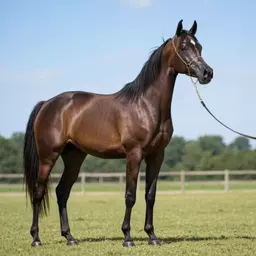
Horse conformation is critical in breeding decisions, and it plays a key role in the overall health and performance of Arabian horses. When assessing a horse’s conformation, breeders often consider several factors:
- Body Structure: A balanced body structure promotes optimal movement and stamina.
- Leg Position: Properly aligned legs are essential for soundness and longevity.
- Head Shape: The head should reflect the breed's characteristics, influencing both beauty and functionality.
- Overall Musculature: Adequate muscle tone is crucial for performance in various disciplines.
By focusing on these key aspects of conformation, breeders can help ensure that the horses not only meet aesthetic standards but also thrive in their equestrian pursuits. It's fascinating to see how these principles have been passed down through generations!
Engage with the World of Arabian Horse Breeding
As we delve deeper into the rich tapestry of Arabian horse heritage, I invite you to actively engage with this vibrant community. Explore resources like registries, educational materials, and local horse shows to enhance your understanding. The beauty of Arabian horses lies not just in their lineage, but also in the shared passion of those who care for them.
Whether you are a breeder, a historian, or simply a horse enthusiast, there’s a place for you in this community. Let's continue to foster connections and share experiences that celebrate the legacy of Arabian horses!
Exploring Equestrian Sports and Arabian Horses
Arabian horses have carved out their place in various equestrian sports, showcasing their versatility and endurance. Here are some of the sports where these magnificent creatures shine:
- Endurance Riding: Known for their stamina, Arabian horses excel in long-distance rides, often covering up to 100 miles in a day!
- Horse Shows: Their grace and beauty make them favorites in various classes, from halter to performance.
- Dressage: Many Arabian horses participate in dressage, showcasing their agility and training through fluid movements.
Engaging with equestrian sports not only highlights the Arabian horse's capabilities but also connects us with like-minded individuals who share a passion for this remarkable breed. If you've participated in any equestrian events, I’d love to hear about your experiences!
Recap of Key Points
Here is a quick recap of the important points discussed in the article:
- Mohammed Ali Pasha revolutionized Arabian horse breeding in the early 19th century by consolidating the best horses into royal studs.
- His initiatives preserved exceptional traits of purebred Arabians and established formal breeding practices that resonate today.
- Key figures like Abbas Pasha and Ali Pasha Sherif contributed to structured pedigree systems and breeding standards.
- Modern Arabian horse breeders continue to prioritize lineage, pedigree, and the preservation of the breed's unique qualities.
- Horse conformation is critical in breeding decisions, influencing health and performance across various equestrian sports.